
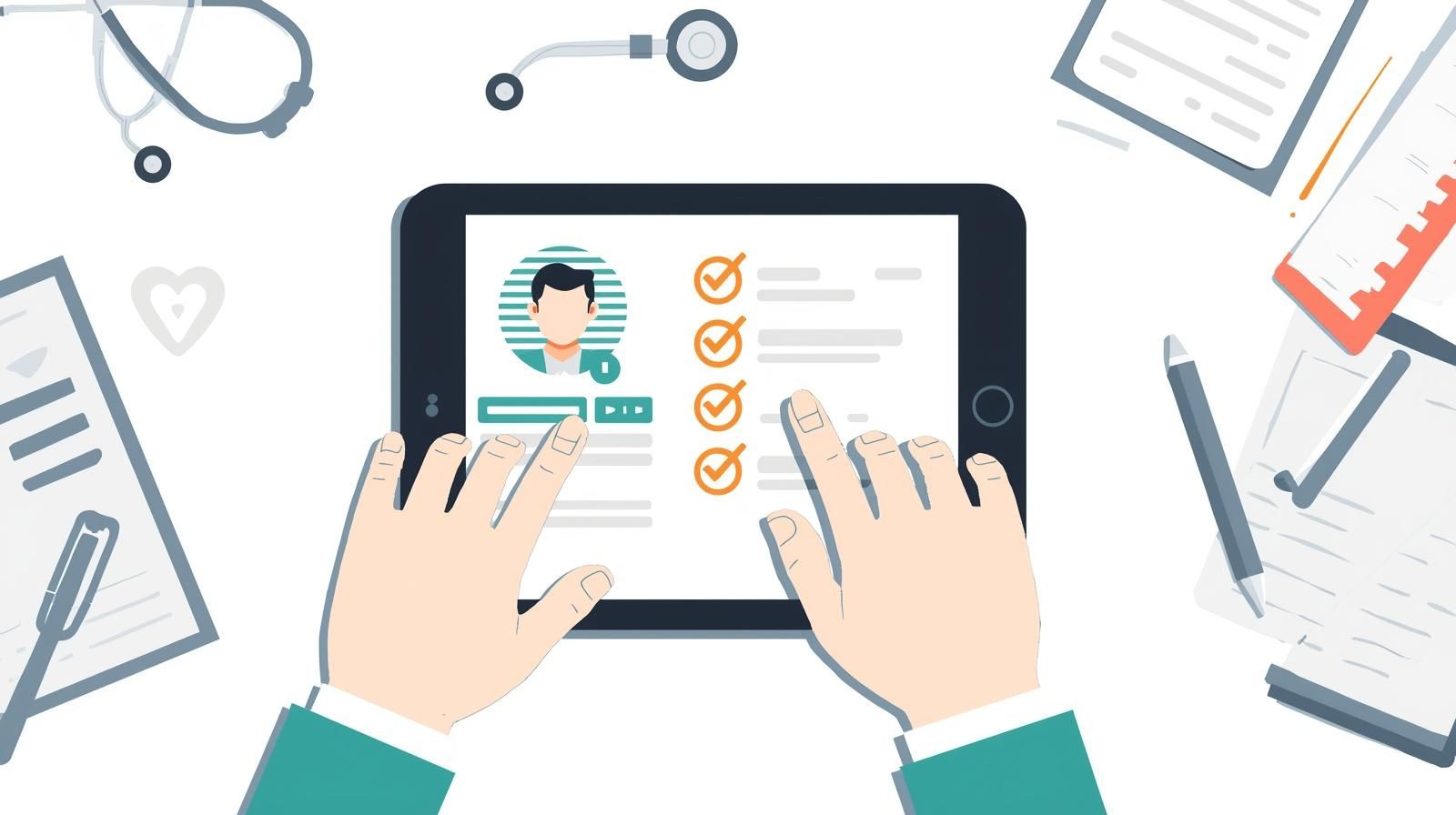
Trust is the foundation of every successful caregiving relationship. It is not something that can be demanded or assumed; it must be earned, nurtured, and consistently demonstrated. Caregivers build trust through references, skills, and communication. For caregivers, trust acts as the bridge between professional skills and meaningful human connection. It determines whether families feel comfortable inviting a caregiver into their homes, whether agencies feel confident assigning clients, and whether caregivers themselves can enjoy stable, long-term work.
In the caregiving industry, where workers enter intimate home environments, manage sensitive health tasks, and interact with vulnerable individuals, trust is not optional; it is essential. Without it, communication breaks down, families feel anxious, agencies hesitate to assign long-term cases, and caregivers struggle to demonstrate reliability and professionalism.
Unlike many professions, caregiving often happens in personal homes, not offices or public facilities. A family’s home holds their memories, routines, and personal belongings. When a caregiver enters this space, they are not just an employee; they are a trusted helper and a presence in highly personal moments.
Families are inviting someone into a space that is sacred to them, and they must feel confident that the caregiver is responsible, compassionate, and reliable. The caregiver’s ability to establish this trust quickly can determine whether the relationship succeeds or struggles from the start.
Caregivers assist clients in some of the most personal and sensitive areas of their lives:
Each of these moments requires patience, attentiveness, and respect for the client’s dignity. Families want to feel confident that their loved ones are safe, and agencies want workers who follow proper procedures and protocols. Trust is the cornerstone of all these interactions.
Home care agencies and healthcare staffing organizations must ensure that every caregiver assigned to a client is trustworthy, skilled, and professional. This is crucial as any mistake, lateness, miscommunication, or safety oversight reflects on the agency as well as the caregiver.
Agencies, therefore prioritize caregivers who demonstrate:
Trustworthiness not only determines job tasks but often affects work stability, pay, and client referrals.
According to the U.S. Bureau of Labor Statistics, home health aides and personal care aides experience high turnover, which makes building trust with families and agencies even more critical. This field experiences high turnover, with workers frequently changing agencies or families. In this environment, caregivers need to quickly establish trust to secure new opportunities. One key component of establishing credibility is demonstrating a clear and documented work history, including references from previous families or supervisors.
Traditionally, references were scattered across emails, handwritten notes, or text messages. This made it difficult for caregivers to provide proof of experience efficiently, often delaying hiring decisions and creating unnecessary friction. In today’s digital world digital references solve this problem by centralizing and verifying a caregiver’s history in a professional format.
Research shows that first encounters in caregiving are critical as trust-building begins from the very first meeting, and caregivers’ competence, communication, and relational behaviors are evaluated early on by families. These early judgments can influence the ongoing trust and quality of the care relationship.
During this period, caregivers can focus on:
Small, consistent actions during this window create a strong foundation that lasts.
Caregivers who document their work carefully gain a significant advantage. Documentation may include:
For families not present during visits, documentation is their primary insight into the caregiver’s work. Accurate and organized documentation demonstrates professionalism, reliability, and accountability, all of which strengthen trust.
In addition to daily documentation, references from past families, supervisors, or agency managers serve as powerful proof of a caregiver’s reliability. Unfortunately, many caregivers struggle to maintain organized references. Paper letters get lost, WhatsApp messages disappear, and emails are forgotten. This creates unnecessary friction when a new agency or family asks for verification of experience.
Digital references address this problem by enabling caregivers to:
Platforms like Recommendas provide a mobile-friendly solution, allowing caregivers to manage their references anytime, anywhere. By maintaining a verified digital history of work experience, caregivers reduce hiring friction and immediately establish credibility with new families and agencies.
By combining professionalism, effective communication, and digital references, caregivers can establish trust even before the first shift begins. Families and agencies are reassured when caregivers can present documented proof of their past work, and this demonstrates foresight, organization, and commitment to quality care.
Digital references allow caregivers to show that their skills are verified, their experience is credible, and they have consistently received positive feedback from previous clients. This not only helps caregivers get hired faster but also sets a strong tone for long-term, trust-filled relationships.
Trust is the foundation of caregiving. It determines how families feel about inviting a caregiver into their home, how agencies decide which workers to assign, and how caregivers build stable, rewarding careers. While empathy, skill, and patience remain essential, digital tools like Recommendas make it easier for caregivers to prove reliability, collect verified references, and manage their work history professionally. By combining compassion with technology, caregivers can establish credibility quickly, reduce hiring friction, and build lasting trust with families and agencies alike.
Practical Ways Caregivers Can Build Trust With Families & Agencies
Trust in caregiving is built not through grand gestures but through consistent daily habits, professional behavior, and clear communication. Families and agencies evaluate caregivers every day, often before they even step into the home. For caregivers, mastering the art of trust-building is crucial not only for securing work but also for maintaining long-term relationships and professional credibility.
Digital references and professional tools, such as Recommendas, now play a key role in this process. They allow caregivers to demonstrate experience, professionalism, and reliability quickly, reducing hiring friction and reinforcing trust at every stage.
Communication is the first and most visible sign of a caregiver’s professionalism. Families want timely updates about their loved ones, and agencies rely on caregivers to provide accurate information.
When caregivers maintain a digital record of references and feedback, families and agencies can see a history of positive communication and performance. This reinforces trust before the caregiver even starts a new assignment.
A caregiver’s reliability is often judged by punctuality. Arriving on time, or early, communicates respect and professionalism.
Consistency in attendance and follow-through shows the person is concerned and dependable, which is essential for trust.
Caregivers often work in multiple households, but each home has its own routines, rules, and preferences. Respecting the home environment builds confidence and reduces anxiety for families.
Respecting the environment signals both professionalism and integrity, key pillars of trust.
Caregivers handle highly personal tasks that require discretion and empathy. Trust grows when clients feel safe, respected, and understood.
Digital documentation and references further validate a caregiver’s approach, showing families and agencies that the worker consistently prioritizes dignity and emotional well-being.
Agencies rely on caregivers to execute detailed care plans and adhere to safety protocols. This includes:
A caregiver who consistently follows guidelines is seen as responsible and trustworthy. Platforms like Recommendas help caregivers record these achievements in a professional format, creating a verified history of compliance and reliability.
Technical skill alone is not enough; families and agencies want caregivers who are empathetic and compassionate. Trust strengthens when caregivers form genuine connections with clients.
Documenting these interactions and collecting positive feedback as digital references can serve as proof of interpersonal skills for future families or agencies.
Documentation is more than a formality, it is evidence of professionalism. Good documentation includes:
When organized digitally, documentation can be shared efficiently. Digital references enhance this further by providing verified testimonials about a caregiver’s performance and reliability.
Setting clear boundaries protects both caregivers and clients. Maintaining professional limits shows respect and fosters credibility.
Digital references by previous clients can highlight boundary adherence, reinforcing that the caregiver is responsible and trustworthy.
Caregivers often serve clients from diverse cultural backgrounds. Showing awareness and adaptability signals respect, which builds trust quickly.
Feedback collected as digital references can reflect a caregiver’s ability to work effectively in diverse settings, strengthening credibility with agencies and future clients.
One of the most powerful ways to build trust is to collect references from past families and supervisors. However, traditional methods, handwritten letters, text messages, or emails, are often disorganized and difficult to share.
By maintaining organized, mobile-accessible references, caregivers reduce hiring friction, establish credibility quickly, and reinforce trust before their first shift. Families and agencies can see a verified history of positive performance, making onboarding smoother and faster.
Trust in caregiving is built through daily habits, professionalism, empathy, and clear communication. Digital tools and references now make it easier for caregivers to demonstrate reliability, share verified experience, and reduce hiring friction. By combining compassionate care with technology-enabled documentation, caregivers not only strengthen trust with families and agencies but also position themselves for long-term career growth and stability.
Platforms like Recommendas make managing references simple, mobile-friendly, and professional, empowering caregivers to prove their skills and reliability at every opportunity.
Caregiving is a greatly human profession, grounded in empathy, patience, and skill. Yet in today’s healthcare landscape, trust is increasingly validated through digital tools and verified documentation. Families want assurance that caregivers are experienced and reliable, while agencies need fast, credible verification to assign cases confidently. Digital references are now a critical tool for caregivers to demonstrate professionalism, reduce hiring friction, and grow their careers.
Platforms like Recommendas empower caregivers to maintain a verified, mobile-friendly work history and collect references from past families, supervisors, or agencies, all in one place. This combination of compassionate care and modern technology strengthens trust with families and agencies alike.
Caregiving experiences frequent turnover. Workers often switch agencies or clients, making it challenging to provide consistent proof of experience. Traditional references, such as handwritten letters, emails, or text messages, are often scattered or lost. This can delay hiring decisions and erode confidence in the caregiver’s reliability.
Digital references solve these challenges by providing:
Caregivers who maintain a digital record demonstrate reliability and professionalism before their first shift, instantly building trust.
Caregivers primarily rely on smartphones for scheduling, communication, documentation, and job applications. Mobile-first tools allow them to:
By using platforms like Recommendas, caregivers can collect, manage, and present references professionally from their mobile device, no laptop required. This convenience is particularly important for caregivers who work long shifts or move between multiple homes.
Families and agencies often ask: “Who has this caregiver worked with before?”
Digital references answer this immediately, providing proof of experience, reliability, and professionalism. Unlike casual text messages, digital references are:
Caregivers who proactively maintain digital references reduce hiring friction, build credibility quickly, and make agencies and families feel confident in their abilities.
Recommendas is a universal digital recommendation platform that supports caregivers in:
This ensures caregivers present a verified, organized work history whenever they apply for new roles, creating immediate trust and confidence.
A well-maintained online profile is a powerful trust-building tool. Caregivers can include:
A complete profile signals professionalism, reliability, and preparedness. Families and agencies can quickly evaluate suitability, and caregivers stand out in a competitive field.
Traditional handwritten or email references can be questioned or misplaced. Digital signatures, included in platforms like Recommendas, validate the authenticity of references, showing:
Verified references with digital signatures increase confidence and speed up hiring decisions.
Digital tools help caregivers communicate more effectively which is a core component of trust. Features like reminders, secure messaging, and activity logging allow caregivers to:
Combining these practices with digital references demonstrates both care and accountability, enhancing trust at every interaction.
Agencies often review hundreds of caregivers. Those who provide verified digital references and a professional work history stand out immediately. Benefits include:
Digital references signal that a caregiver is organized, responsible, and trustworthy, qualities that agencies highly value.
Digital references not only help caregivers secure their next job but also support long-term career growth. By maintaining a documented history of verified experience, caregivers can advance into roles such as:
Every verified reference collected through platforms like Recommendas becomes an asset in the caregiver’s professional portfolio.
At the heart of caregiving, trust determines success. Families feel secure. Agencies assign cases confidently. Caregivers enjoy stability and professional growth.
By combining:
caregivers transform trust into a tangible asset that opens doors to better opportunities.
Digital tools like Recommendas make managing references easy, mobile-friendly, and professional. They allow caregivers to present verified proof of reliability to families and agencies, reducing hiring friction and building lasting trust. This combination of human care and modern technology ensures caregivers are not just seen as workers but as trusted, credible professionals.
Trust is the foundation of caregiving. While compassion and skill are essential, credibility and reliability are now validated through digital references and professional documentation. By using platforms like Recommendas, caregivers can maintain verified work histories, collect references from past families or supervisors, and present themselves as organized, trustworthy, and professional. This approach not only strengthens relationships with families and agencies but also positions caregivers for long-term career growth, stable opportunities, and professional recognition.
When caregivers combine heart, skill, and digital proof, trust isn’t just earned, it becomes their greatest competitive advantage.